logo
الهاتف ::
Tellhow Technology (Chongqing) Co., Ltd.
محركنا، يوفر طاقتك، يقود نجاحك!
منزل مدونة

Motor Noise Diagnostics Improve Operational Efficiency

ابن دردش الآن
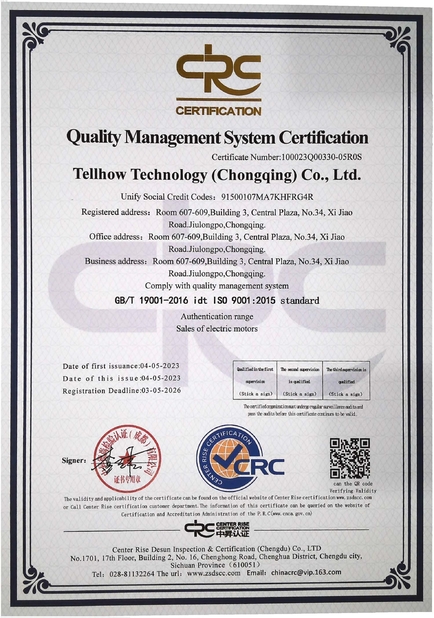
شهادة
الصين Tellhow Technology (Chongqing) Co., Ltd. الشهادات
زبون مراجعة
المحرك يعمل بشكل مثالي مع ضوضاء منخفضة ، وخدمة توجيه تركيب الفيديو عن بعد ممتازة. قادتنا راضون جدا.

—— ميشا جلادوشينكو

المصنع صارم للغاية وجاد فيما يتعلق بالتكنولوجيا ، ويمكنه تقديم اقتراحات علمية للغاية لتعديل تفاصيل المحركات وفقًا لبيئة الاستخدام لدينا. هذه شركة موثوقة للغاية.

—— نور رزقي أماليا

الشركة مدونة
Motor Noise Diagnostics Improve Operational Efficiency
آخر أخبار الشركة Motor Noise Diagnostics Improve Operational Efficiency

Unusual noise from an electric motor is often the first warning of developing equipment trouble. From small ventilation fans to heavy lifting systems, understanding where motor noise originates and how it travels is central to preventive maintenance and avoiding unplanned downtime. The breakdown below examines the physical mechanisms behind motor noise and the diagnostic clues used to identify potential faults.

Three core sources of motor noise

Motor noise generally falls into three broad categories: mechanical, aerodynamic and electromagnetic. Identifying the category is a prerequisite for an effective maintenance strategy because each source follows a different pattern of behavior under load, speed and temperature changes.

Mechanical noise is tied to friction, inadequate lubrication, bearing wear and misalignment. Its intensity often shifts with speed, load and temperature. Aerodynamic noise comes from the cooling system, fan and ventilation path, rising with rotational speed and remaining largely independent of load. Electromagnetic noise is generated by Maxwell stress and magnetic-field imbalance; it is especially common in small and medium-sized motors and is rooted in electromagnetic vibration.

Noise type Main causes Common signs
Mechanical noise Friction, insufficient lubrication, bearing wear, misalignment Changes with speed, load and temperature
Aerodynamic noise Cooling system, fan and ventilation-path design Increases with speed; largely independent of load
Electromagnetic noise Maxwell stress, magnetic-field imbalance Most common in small and medium motors; originates in electromagnetic vibration

How motor noise travels

Tracing how noise reaches the listener can help narrow the fault point quickly. Motor vibration may travel through solid structures, radiate into the air or be introduced through the drivetrain.

  • Structural transfer path: vibration travels through stator mounts, the housing and the frame. Prolonged exposure may lead to structural fatigue in the housing.
  • Airborne path: vibration is converted into acoustic waves by the frame. This is the most direct noise operators hear.
  • Excitation transfer path: torque ripple from a coupling or gearbox during acceleration and deceleration.

Diagnostic clues and maintenance value

Visual inspection alone is unlikely to reveal deeper defects. Acoustic and vibration measurements can detect anomalies before a component fails catastrophically, giving maintenance teams time to schedule repairs and avoid costly production interruptions.

Noise is a physical manifestation of internal vibration. In a preventive-maintenance program, regular noise analysis helps distinguish normal operating sound from emerging faults and supports more accurate decisions about lubrication, alignment, bearing replacement and other service tasks.

The relationship between noise and operating conditions provides additional diagnostic value. Mechanical noise frequently changes with load, temperature or speed. Aerodynamic noise tends to rise with speed and not load. Electromagnetic noise may be more pronounced in small and medium motors and is associated with magnetic symmetry and air-gap conditions.

Frequently Asked Questions

How can mechanical and electromagnetic motor noise be distinguished in an initial assessment?
Mechanical noise is usually closely tied to load, temperature and speed, and it often accompanies signs of poor lubrication or misalignment. Electromagnetic noise is primarily vibration caused by electromagnetic forces, is more common in small motors and is generally linked to magnetic-field symmetry and the air gap between stator and rotor.
Why is noise from a fan cooling system unrelated to motor load?
Aerodynamic noise depends mainly on rotational speed. Because the cooling fan is connected directly to the shaft, its speed changes with motor speed. Whether the motor is at full load or no load, the airflow noise remains largely constant as long as the speed is the same.
What is the value of noise analysis in preventive maintenance?
Noise is a physical expression of vibration inside the motor. Acoustic and vibration analysis can identify abnormalities before components suffer catastrophic damage, helping avoid expensive unplanned downtime and production interruptions.
حانة وقت : 2026-10-24 00:00:00 >> قائمة المدونات
تفاصيل الاتصال
Tellhow Technology (Chongqing) Co., Ltd.

اتصل شخص: Mr. Alex Yip

الهاتف :: +86 2386551944

إرسال استفسارك مباشرة لنا
Tellhow Technology (Chongqing) Co., Ltd.
غرفة 607-609 ، المبنى 3 ، سنترال بلازا ، رقم 34 ، طريق Xi Jiao. تشونغتشينغ. الصين
الهاتف ::86-155-23661144
موقع الجوال سياسة الخصوصية | الصين جيّد جودة محرك تيار متردد عالي الجهد مزود. © 2022 - 2026 Tellhow Technology (Chongqing) Co., Ltd.. All Rights Reserved.